Dear Visitor,
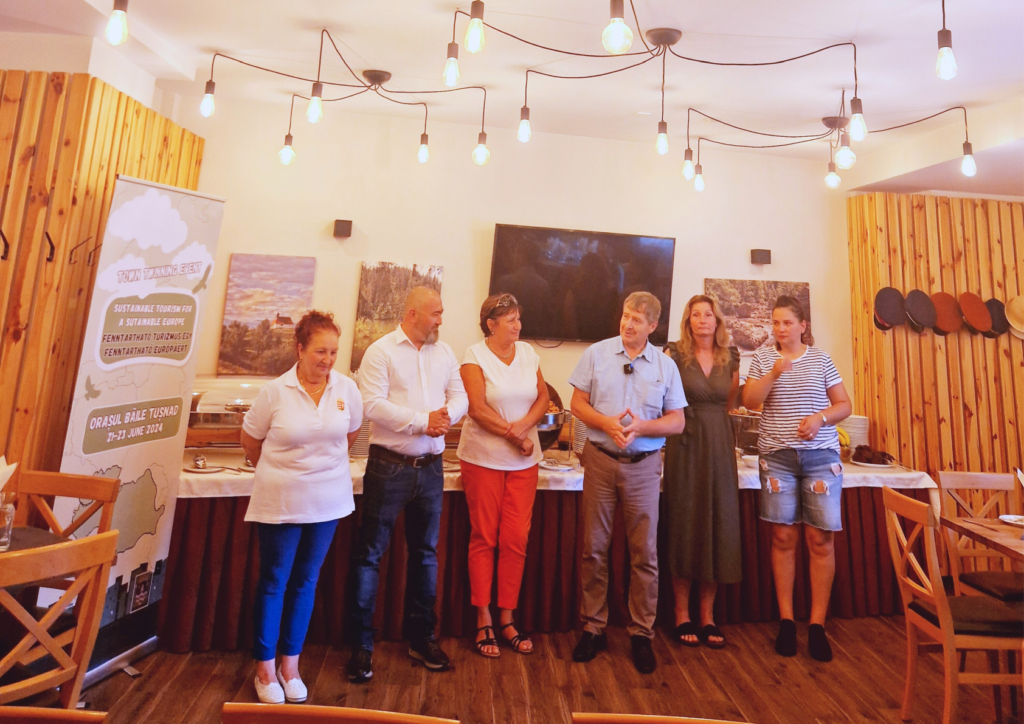
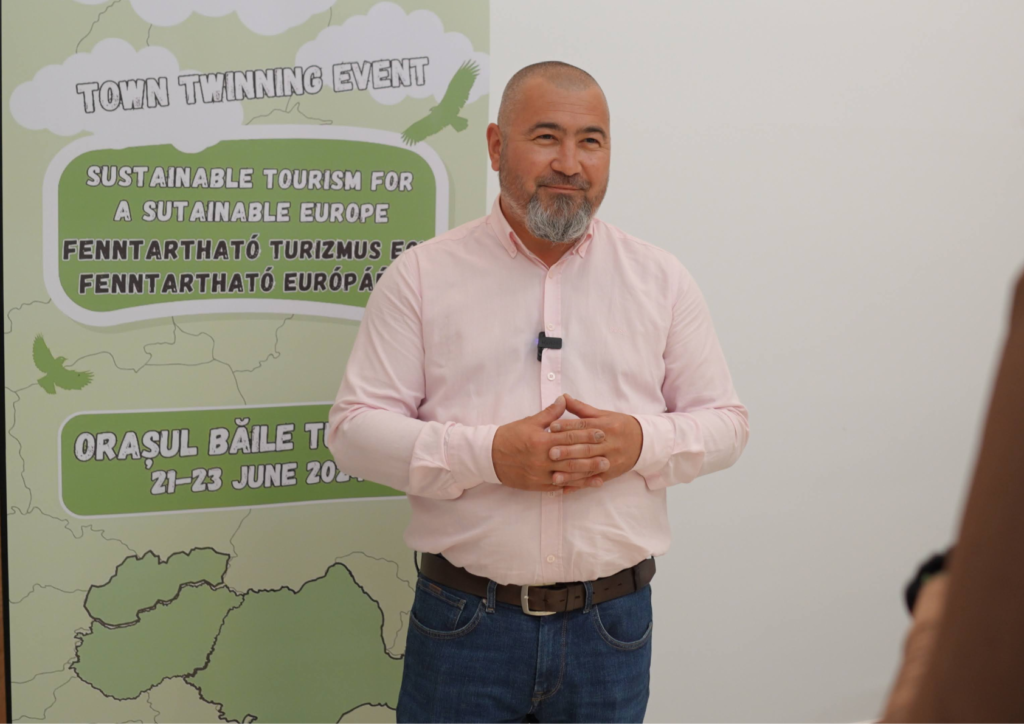
In 2024, the Mayor of Băile Tușnad, Zsolt Butyka, opened the event series Sustainable Tourism for a Sustainable Europe, which welcomed representatives from six settlements across three countries. The event aimed to bring together delegations to discuss aspects of the European Union’s existence, including actual challenges such as the migration crisis, the Ukrainian war, and climate challenges impacting tourism.
During the meeting, participants engaged in various cultural activities aimed at intercultural exchange between the settlements. They showcased their folk dances, songs, and culinary specialties and participated in a tourism exhibition, where they highlighted their natural and architectural assets and EU developments. This contributed to preserving the common European cultural and tourism heritage, strengthening the acceptance of cultural identity and diversity, eliminating prejudices, and expanding participants’ EU knowledge and cooperation skills.
As a result, representatives of the municipalities developed an English-language Tourism Strategy that includes past and future developments, promoting the economic-social-cultural growth of the settlements and their integration into the EU tourism cycle. You can read the official summary of the event here.
Goals
- European Awareness and Action: Understanding the EU mission and institutions, developing European self-awareness, problem-solving, combating equal opportunity and discrimination, and fostering active European citizens.
- Tourism Development and Cooperation: Learning about local tourism developments, creating a joint tourism strategy, exploring cooperation opportunities, and participating in a tourism exhibition.
- Cultural Exchange and Empathy: Showcasing folk dance and folk songs, joyful cooking, accepting cultural differences, recognizing the values of cultural identity.
- Common Strategy and Cooperation: Establishing close cooperation among participating settlements, defining common goals.
- Youth Engagement and Idea Exchange: Encouraging active youth participation, suggesting community benefits, and introducing the European Solidarity Corps.
The meeting primarily involved adults representing various institutions from local and cross-border partner settlements (local governments, non-profit organizations, cultural entities, etc.), as well as civilians attending in the public interest.
Additionally, young adults (18-25 years old) had the opportunity to participate in the discussions, with special program elements provided for them.
During the selection of participants, each team paid attention to the importance of gender equality, encouraging partners to choose participants who face difficulties in life (social, economic, etc.) and lack opportunities to participate in similar international programs.
PARTNERS
Municipality of Jászkarajenő – Hungary
Jászkarajenő is located in the south-east corner of Pest County, between the Danube and the Tisza. Sorrounding the village there is traditional farmland area with original farmhouses. In addition to know the rich fauna and flora of the saline steppe, it is possible to explore the local history hiking trail or the 8 km long Márton Csonka educational trail. In the Lovas Centrum addition to individual and group riding lessons, also offers summer riding camps, riding programs at weekends.
Municipality of Harkány – Hungary
Harkány is the best known and most popular Mediterranean spa resort in South Transdanubia and one of the 5 most important spa towns in the country. It is located 25 km from Pécs and a few km from the Villányi wine region, with a population of 5,481. The sulphurous thermal water, unique in Europe, is suitable for the treatment of many diseases and is the town’s greatest treasure. Harkány and its surroundings offer a wide range of accommodation, restaurants and leisure activities, with almost 230,000 overnight stays a year by domestic and foreign tourists. The Spa, which will be 200 years old in 2023, has been awarded the 5-star rating several times. The settlement is part of the Pécs-Villány tourist destination with a health tourism profile.
Municipality of Jánoshalma – Hungary
Jánoshalma, located on the border of Bácska and Kiskunság in the South Great Plain, offers stunning landscapes and rich architectural sights, perfect for endless hikes and explorations. Visitors can enjoy local gastronomy, including excellent wines, fruits, and traditional peasant dishes. The nearby ancient juniper forest invites long walks, and the town provides cultural and active recreational opportunities like hunting, horseback riding, cycling, and various popular events, making it an ideal destination for both relaxation and adventure.
Municipality of Bicske – Hungary
Bicske is located in the Zsámbék Basin, in the northern part of Fejér County, and serves as a district center. Due to its location between Budapest and Tatabánya, it handles significant rail and road traffic, with recently built bike paths aiding its tourist access. Notable attractions include the Batthyány Castle and its English park, Bicske Heart Park, and the Lajtha House Cultural Center.
Municipality of Tešedíkovo – Slovakia
Tešedíkovo (Hungarian: Pered) is a village located in the southern part of Slovakia, in the Nitra Region, part of the Šaľa District. It is situated near the Váh River, which contributes to its rich agricultural land. The village is historically tied to its Hungarian roots, and the majority of the population still identifies as Hungarian. Tešedíkovo’s name honors Samuel Tešedík, a prominent educator and reformer who played a significant role in Slovak and Hungarian history.
The village has a vibrant cultural life, with annual events such as local festivals, community gatherings, and celebrations of local traditions. Agriculture continues to be a significant part of the local economy, with recent developments focusing on infrastructure improvements and enhancing the quality of life for resident
Events: Sustainable tourism for sustainable EUrope
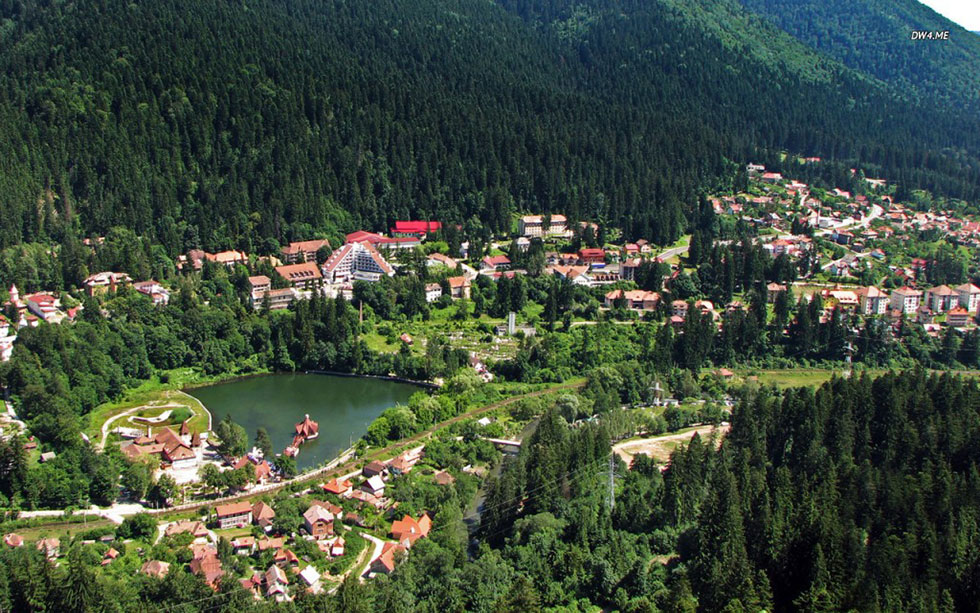
The municipalities of Băile Tușnad ‘s twin towns all consider continuous tourism development essential, as it greatly improves the economic and social conditions of the settlements.
Continuous renewal, experience exchange, and idea inspiration are key pillars of this effort. To this end, the international meeting was organized from June 21-23, 2024, in Băile Tușnad, where delegations from Hungary, Slovakia and Romania shared their touristic developments (self-funded or EU-funded), best practices that increased tourist numbers and overnight stays, and specific future plans or dreams.
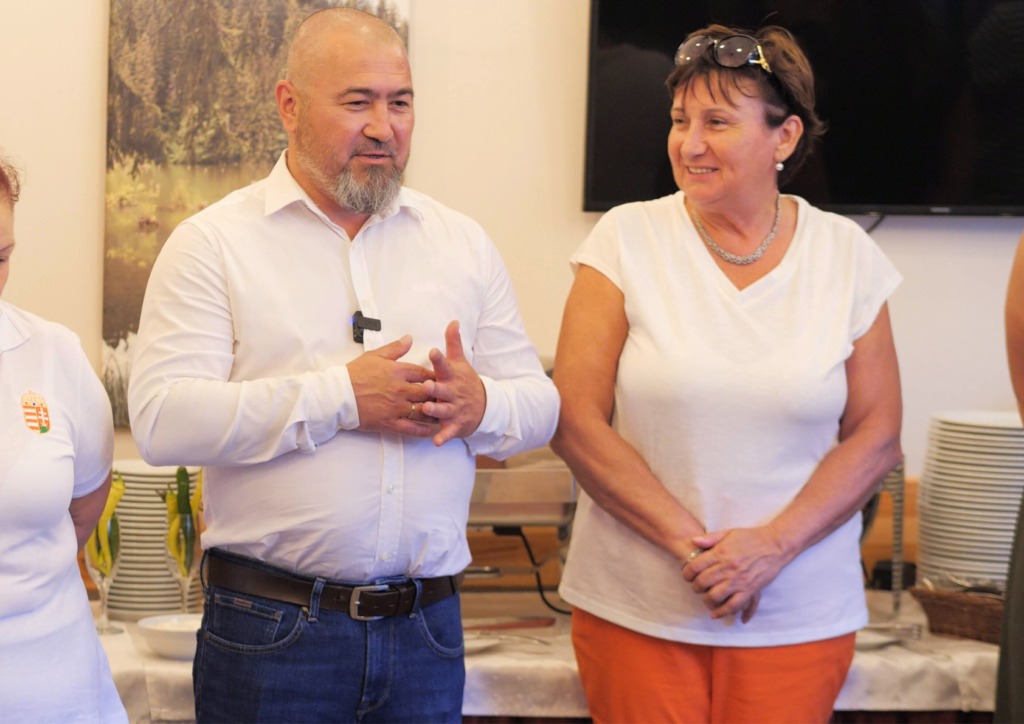
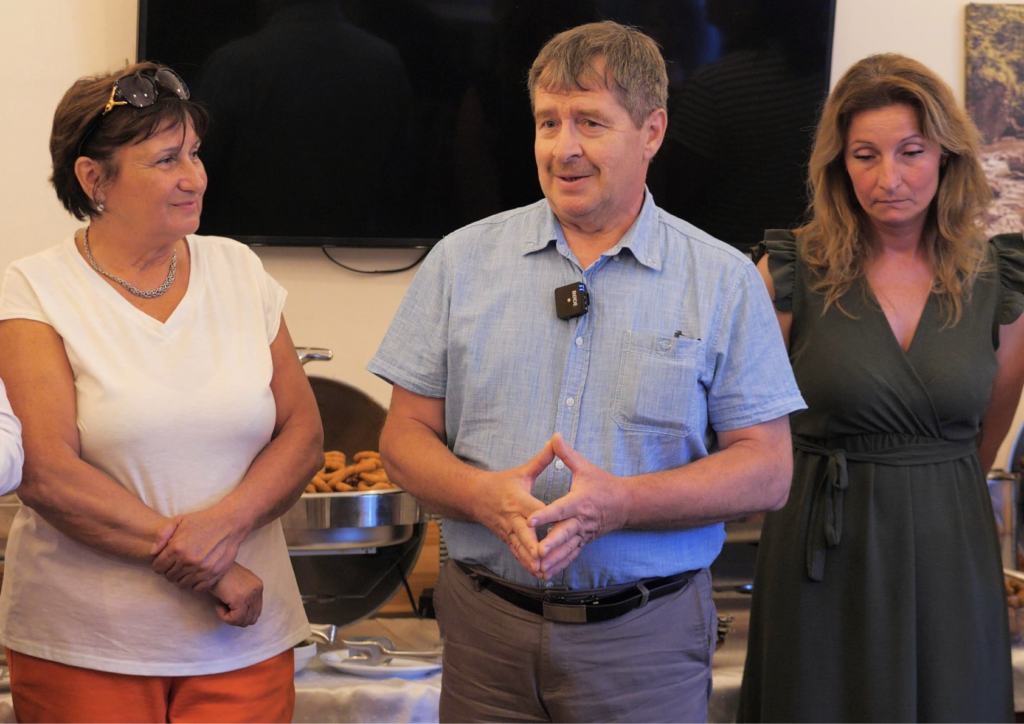
The first day of the event began with the reception of delegations and guests from the twin towns and the official opening, where Zsolt Butyka, Mayor of Băile Tușnad, welcomed the attendees. In the afternoon, a presentation titled EU – Why was it created? was followed by a roundtable discussion. Participants shared their opinions and knowledge, gaining a better understanding of the EU’s mission, the functioning of its institutions, and the significance of belonging to the Union, while developing their European awareness.
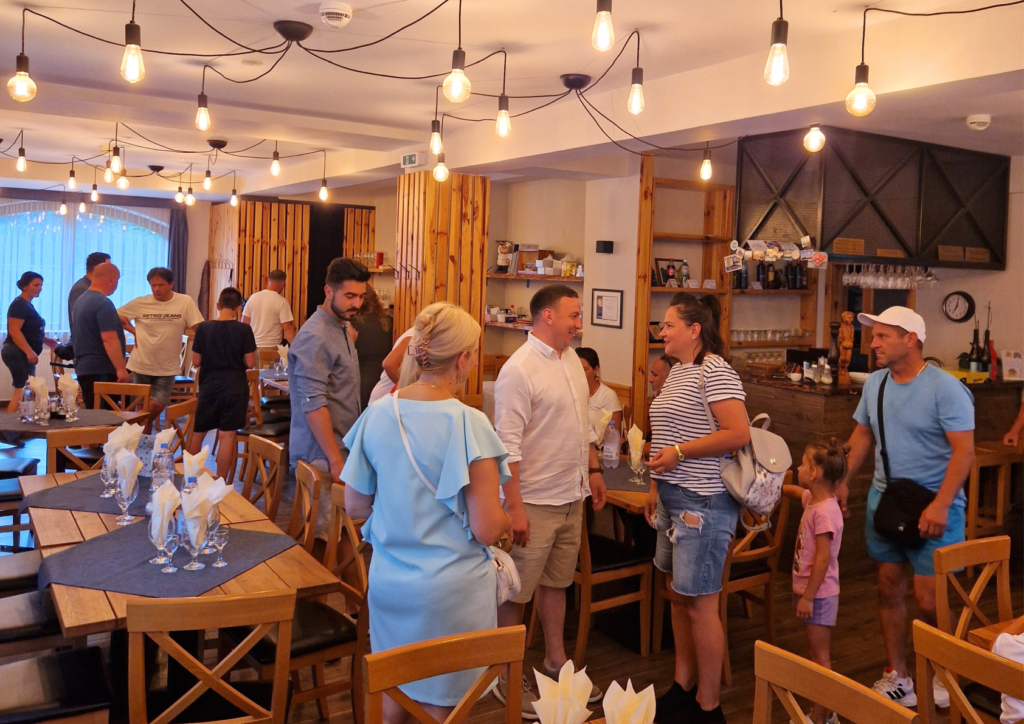
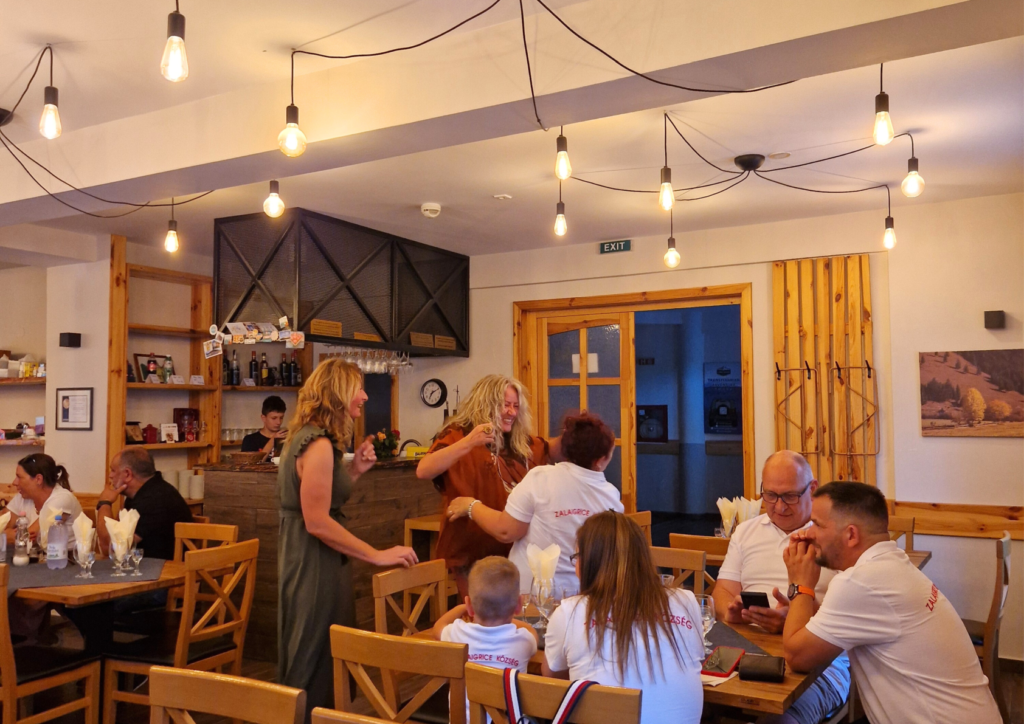
During the communal dinner, which provided opportunities for personal and institutional friendships, the settlements introduced themselves and established connections through informal conversations. Each representative highlighted the characteristics of their settlement, emphasizing their tourist attractions and developments that have significantly contributed to their tourism reputation.
We also prepared constant programs for the city festival participants, ensuring entertainment for both young and old throughout the weekend. Along with bouncy castles and face painting, visitors could explore the unique products of local producers and enjoy spectacular concerts every evening. The first day focused on laughter, as the Pittyes2es és Gyufa delighted the audience with their musical-theatrical performance. At the end of the day, those who wanted to dance off the dust of the tiring journey could do so at the outdoor party where DJ Forró provided the music.
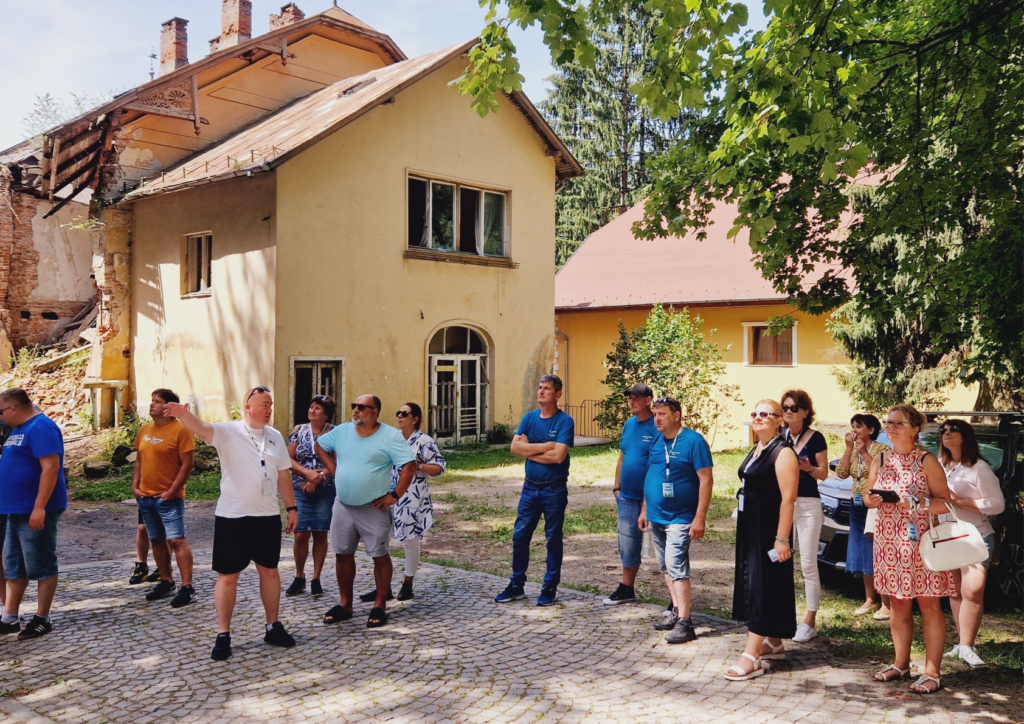
On the second morning, representatives of the twin towns embarked on a joint walk, during which they learned about main tourist points and legends of Băile Tușnad, combined with an interactive discussion on equality and discrimination themes. Participants primarily discussed thoughts related to gender equality between men and women but also touched on racial, ethnic, and other discrimination.
At each tourist point, they also addressed topics such as the migration crisis, climate change, and the Ukrainian war, where they individually expressed their opinions and sought solutions to the issues at hand. By sharing ideas, participants realized the importance of actively participating in their communities, especially in solving problems affecting their immediate or broader society, as this is the only way to become active European citizens.
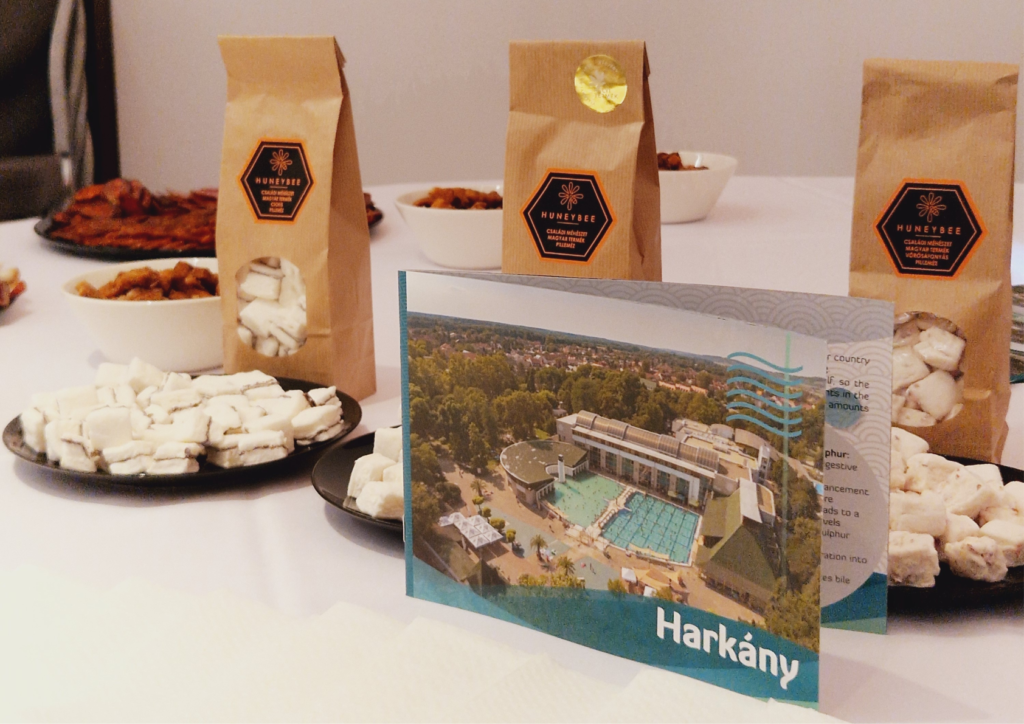
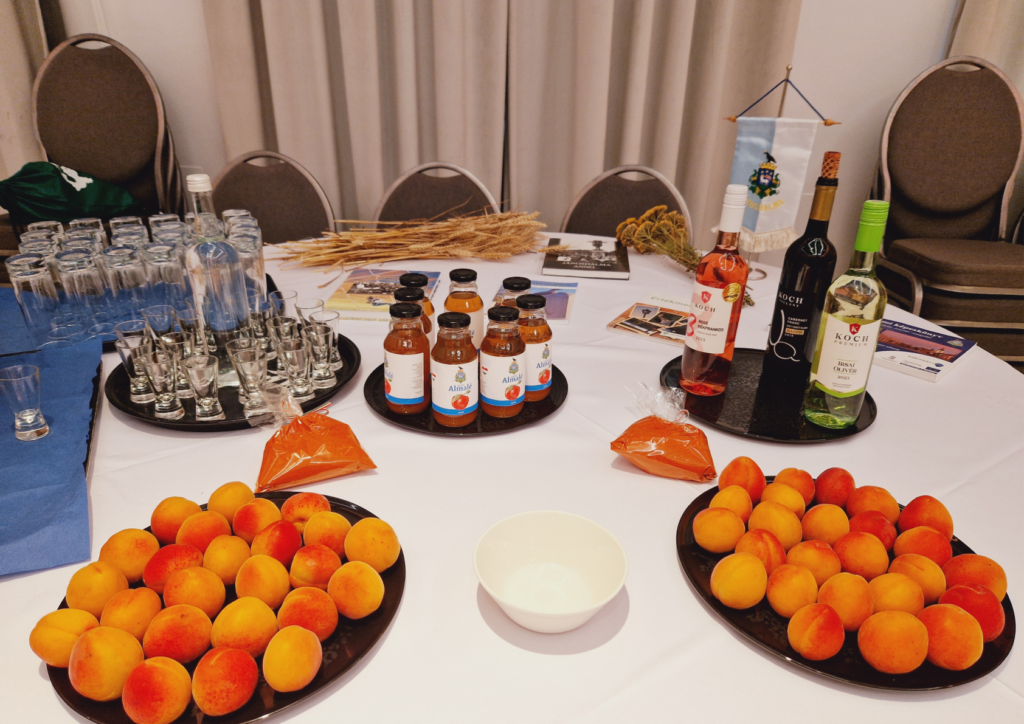
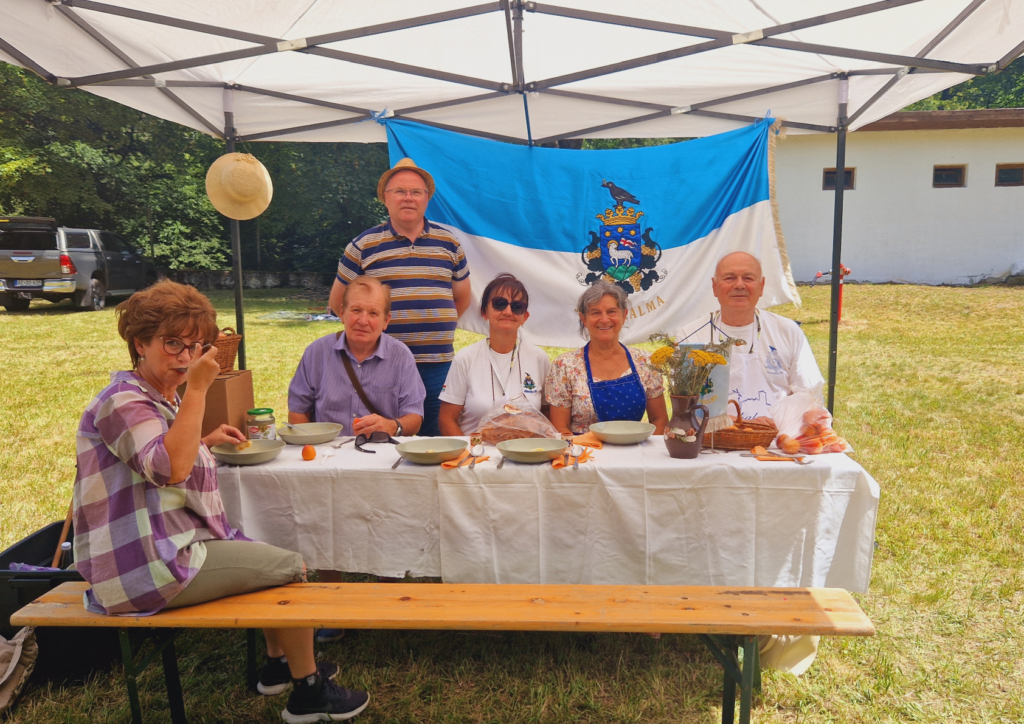
In the afternoon, a tourism exhibition was held where settlements presented their tourist assets through various photos, brochures, and publications. They also offered samples of their unique products, including jams, honey puffs, wines, fruits, etc. The primary goal of this activity was for participants to appreciate their community’s talent and the diversity of the European community. Additionally, it provided an opportunity to draw inspiration from each other’s developments and analyze which investments could be implemented in their own settlements to advance economically, socially, or culturally.
As a result, representatives began working on a joint English-language Tourism Strategy that summarizes the settlements’ introductions, contact information, past developments, and outlines future individual and joint plans.
Of course, nurturing traditions was not left out of the day’s program, as attendees could choose from gastronomic specialties prepared during the morning cooking competition for lunch. Partner settlements participated alongside local teams, with Jánoshalma winning the grand prize. Moreover, we welcomed visitors to the city festival with a Retromobil parade, a performance by the Csikszentsimoni Brass Band, a Kangoo Jumps Extra demonstration, a presentation by the Blansch band of young musicians, and a mega concert by Republik.
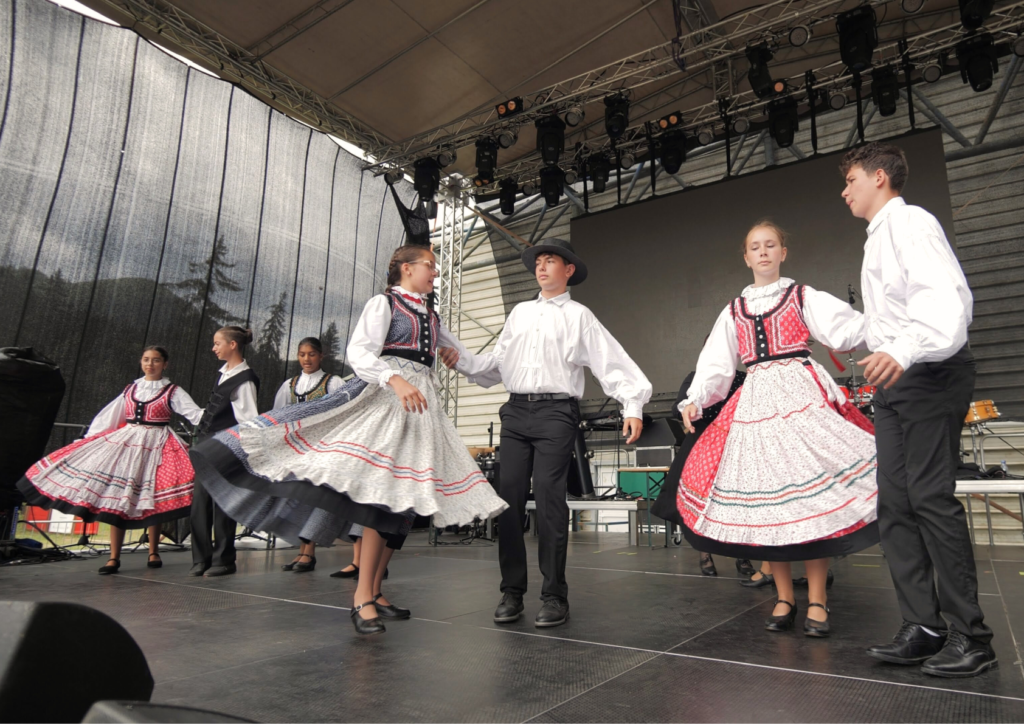
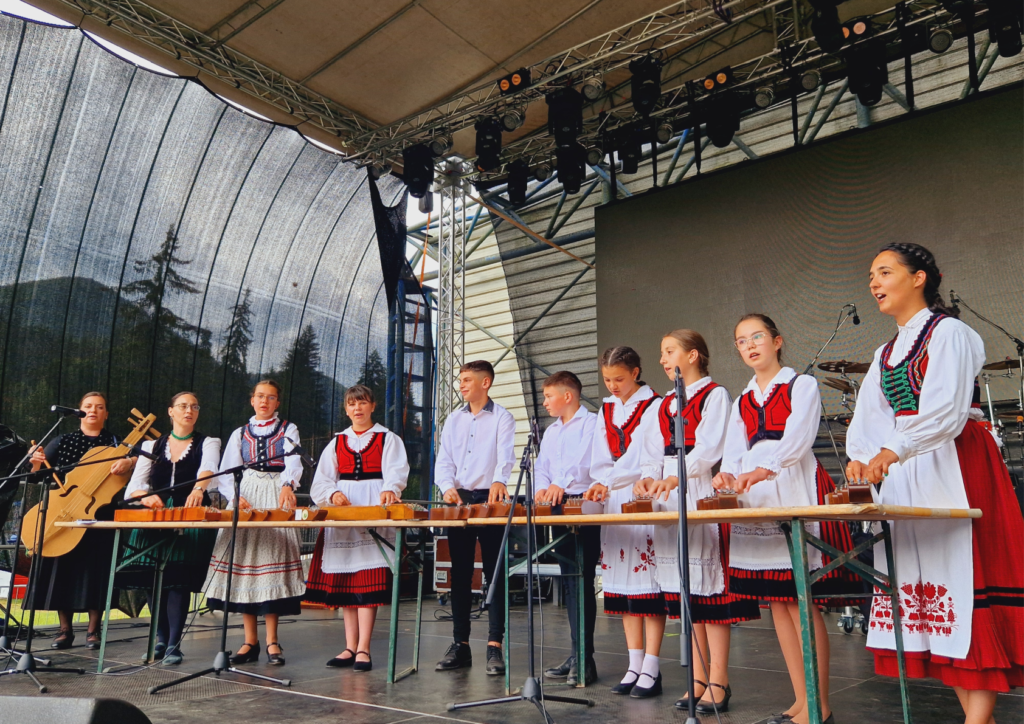
The third and final day of the City Festival was also eventful, as the Băile Tușnad Sports Field was filled with continuous folk music and artistic performances, where representatives and guests from the twin towns could try out the folk dances of the regions showcased.
Additionally, we prepared a presentation and interactive activities for young visitors about the opportunities offered by the European Solidarity Corps (ESC), allowing the younger generation to learn about different forms of volunteering. Furthermore, young people had the opportunity to formulate ideas and suggestions through non-formal activities on how they could contribute to solving their settlement’s problems and better appreciating its values. In this way, they developed their civic consciousness and became more active European citizens, with some already indicating their desire to assist as local volunteers at other events.
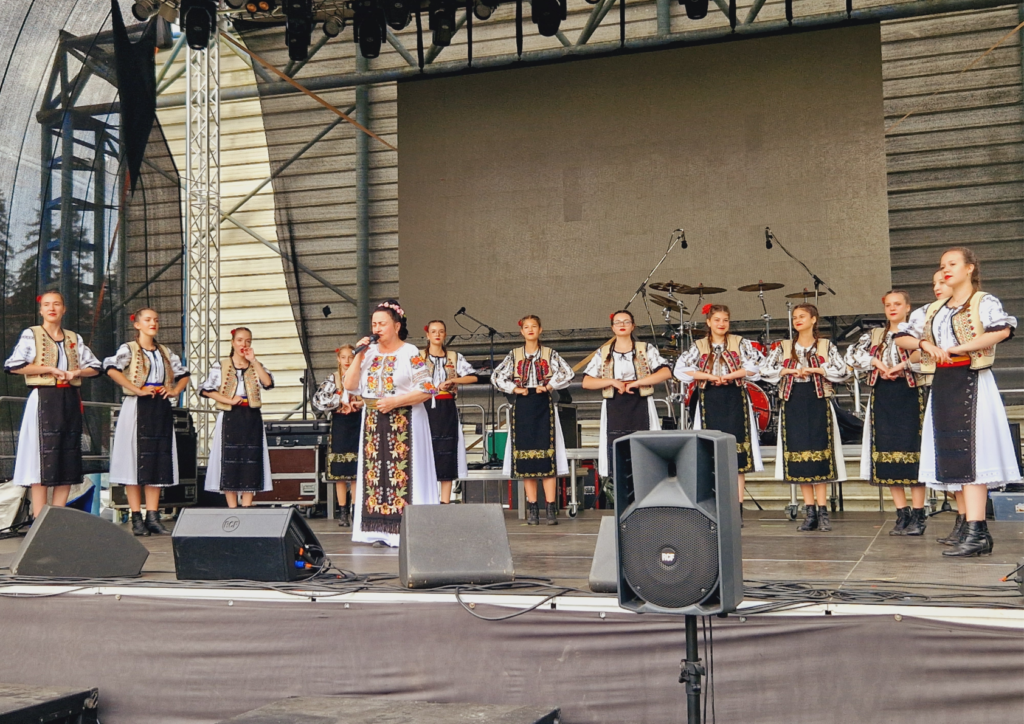
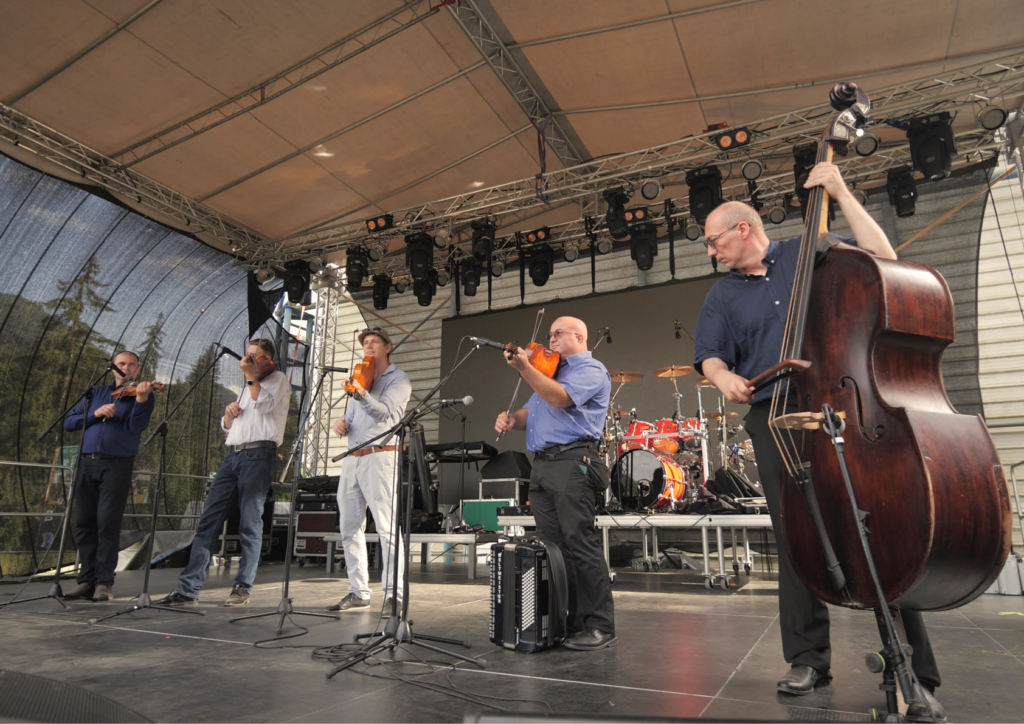
The Our Folk Music Heritage series was opened by a breathtaking recital by Ákos Endres-Ábrahám, followed by the Gyöngyvirág Children’s Folk Dance Group from Băile Tușnad. The folk dance and attire of Kovászna County were also represented, with a nostalgic folk song medley performed by Cora Munteanca as the highlight. Lastly, the Heveder folk music group delighted us with a Hungarian cultural program.
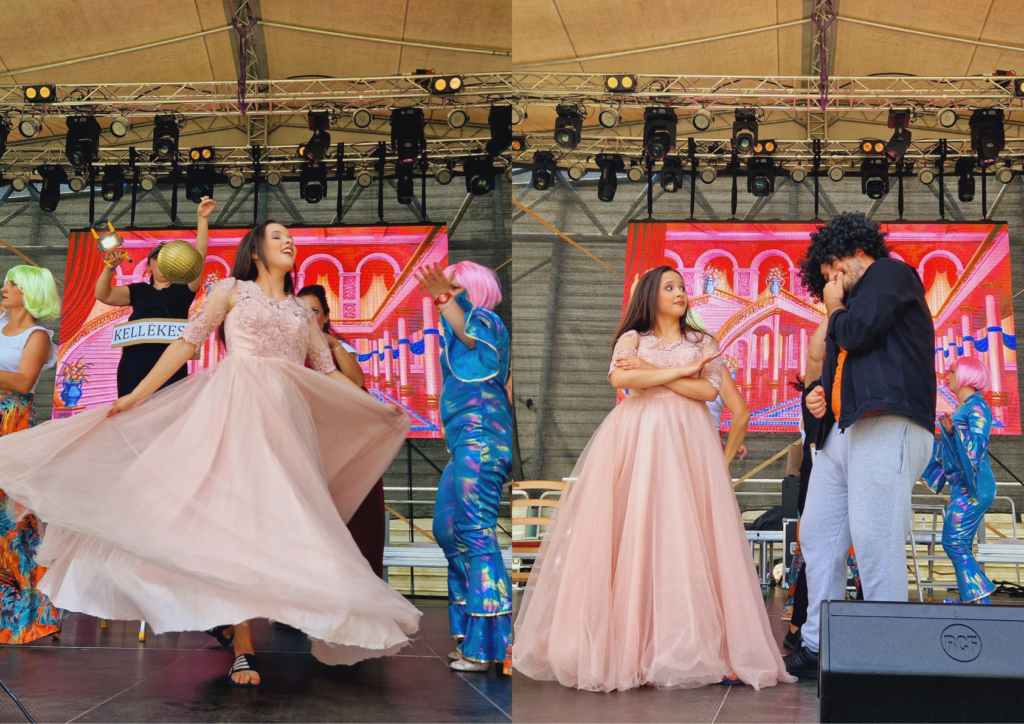
The afternoon cultural programs concluded with a fitting finale, the debut performance of the local amateur theater group Beugrósokk, who immediately won over the audience with their musical and contemporary adaptation of the Cinderella story.
After the official closing of the Sustainable Tourism for a Sustainable Europe program, attendees enjoyed two fantastic concerts by the Bucharest-based rock band Holograf and Dombi Sándor & Full Screen. The evening was crowned by the traditional Mega Laser Show, marking the end of the 2024 Tusnádfürdő City Festival
Results
1. Short Film – A summary short film of the event was made, capturing the main moments of the meeting and festival, featuring interviews with city representatives and organizers. The video was uploaded to the event’s website, the participating municipalities’ websites, and will be presented at an educational event. – VIDEO
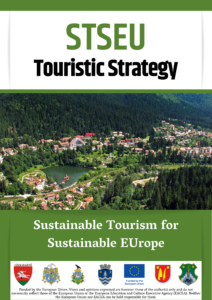
2. Tourism Strategy – During the tourism exhibition at the meeting, an English-language publication was created, summarizing the twin settlements’ developments to date and outlining future individual and joint plans that could facilitate their economic-social-cultural development and integration into the EU tourism cycle. The publication was distributed in print and online, posted on the municipalities’ websites, and shared at dissemination events organized by the settlements, reaching various local government and tourism institutions, motivating them to organize and participate in similar events.
The publication can be downloaded HERE.
3. Dissemination Events – Each municipality presented the project’s results and the jointly created publication to its community, institutions, non-profit organizations, and tourism companies at dissemination events. The project’s main results, future plans, and potential cooperation opportunities were discussed.
4. Event Description Sheet – An event description sheet is a document that outlines essential details about an event, such as its purpose, schedule, location, and key participants. It serves as a comprehensive guide for organizers, participants, and other stakeholders to ensure everyone is well-informed and prepared. – EDS
5. Project Website – A trilingual website where we publish all essential information related to the meeting: summaries, photos, videos, publications, etc.
What the participants say about the event?
Benedek Anna:
” I am coming from Bicske and this is the first time I take part in such an useful ad great experience. Băile Tușnad is situated in a fable natural environment, this captured my attention firstly, but after that I realized the richness of the regional culture and how welcoming the local people are. For me, the best part of this meeting was the intercultural experience, I could listen to folk music and I could see folk dances from different regions. The majority of us are Hungarians, our cultures are so resembling, but in the same time different. “
Fábián János Ferenc:
” Harkány is also a touristic center as Băile Tușnad, it was great to discover the similarities and differences between the two localities and to broaden our perspectives. Also, I learnt a lot about the European Union, many aspects were not so clear for me until now, but this event helped me to collect many information. and the culture…was the best part: cooking, dancing, singing, discovering together. But this is this event about, no? “
Matilda Szabová from Pered:
“When you come at a such event, you do not know what to expect. For me it was a good experience to meet other cultures and people coming from other localities. We spent qualitative time together, speaking about matters which affect all of us and expressing our views about them. It was also good to explore the locality, and our cultures. I do not regret coming here, I hope I will have the opportunity to come back.”
Nagy Nikolett from Jászkarajenő:
” It is great that the EU offers the possibility to its citizens to meet at such kind of events. For me the best part was the touristic and intercultural exchange of information and good practices. ”
Gál Teréz from Jánoshalma:
“Wonderful people, wonderful experience. I understood better many aspects related to the European Union, but for me getting to know better each other and the folklore of each locality was the best part.”
CONTACT
Butyka Zsolt
Mayor of Băile Tușnad
0740.078812
butyka_zsolt@yahoo.com
Böjte Csaba-Ernő
Vise Mayor of Băile Tușnad
0740.286996
b.csaba87@yahoo.com
Bănică Hajnalka
Notary of Băile Tușnad
0742.497133
secretar.bailetusnad@gmail.com
Contact details of the municipality
+40 266 335 006
office@primariabailetusnad.ro
Str. Oltului Nr. 114
Jud. Hargita 535100
Băile Tușnad, Romania